
Ceramics in Rio de Janeiro: why this practice matters in the rhythm of the city
Amid urban speed, ceramics creates a space for presence, research, and continuity for people living in or passing through Rio.
Talking about ceramics in Rio de Janeiro can sound like an interesting contrast. The city is known for intensity, movement, and constant stimulation. And yet, or maybe exactly because of that, ceramics finds fertile ground here.
Working with clay is a way to slow down without stepping out of life. It is a practice of presence that can exist inside a routine, inside the city, and inside the desire to make something that does not depend on speed.
A real pause inside the flow
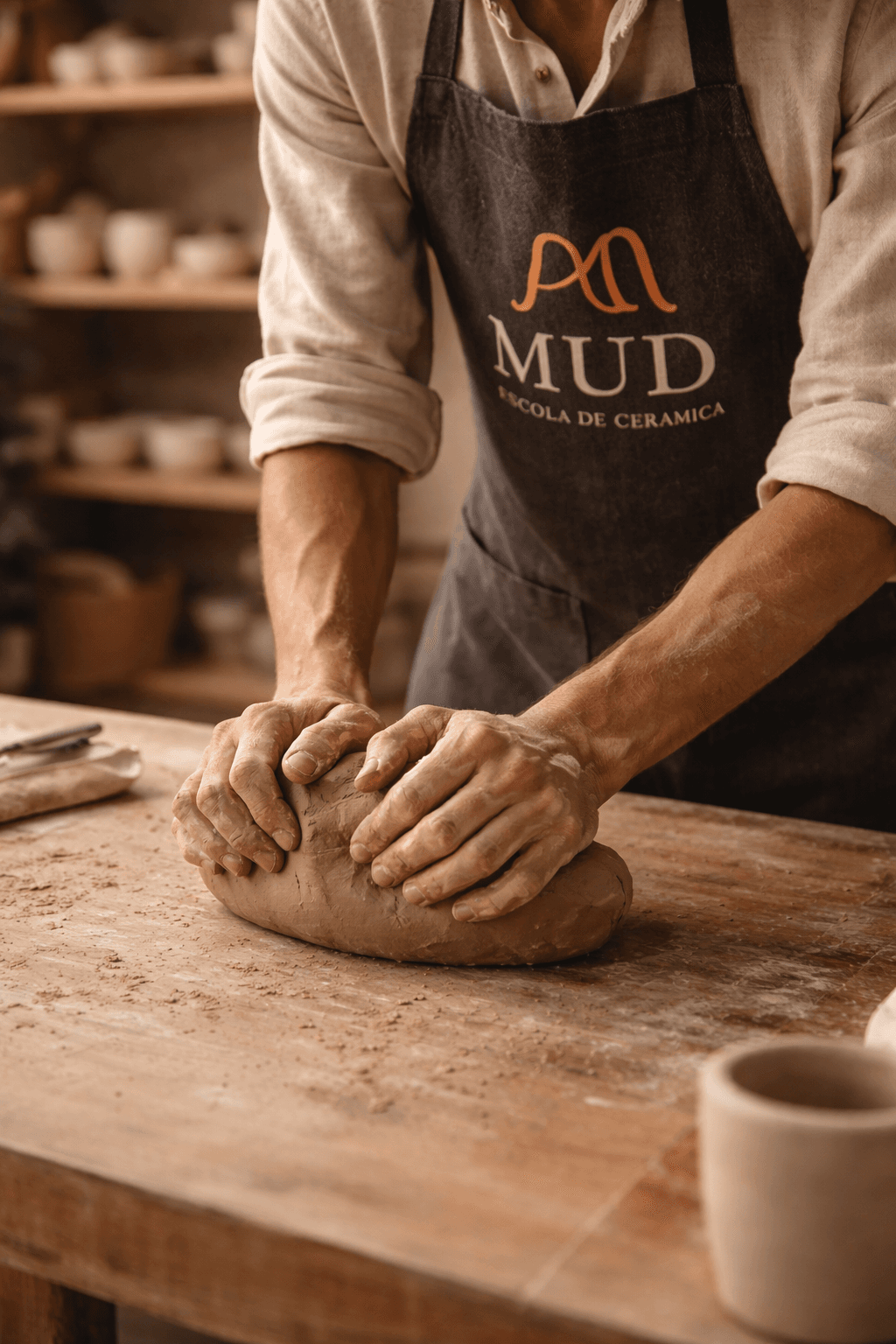
Unlike activities that promise quick results, ceramics asks for sustained attention. You observe the material, test its limits, step back, remake, wait for drying, wait for firing. Little by little, the logic of constant productivity gives way to a different relationship with time.
For many people living in the Zona Sul or moving through Leblon, having a ceramics school in the neighborhood means exactly that: finding an accessible place where the week takes on another rhythm for a few hours.
Technique, research, and authorship
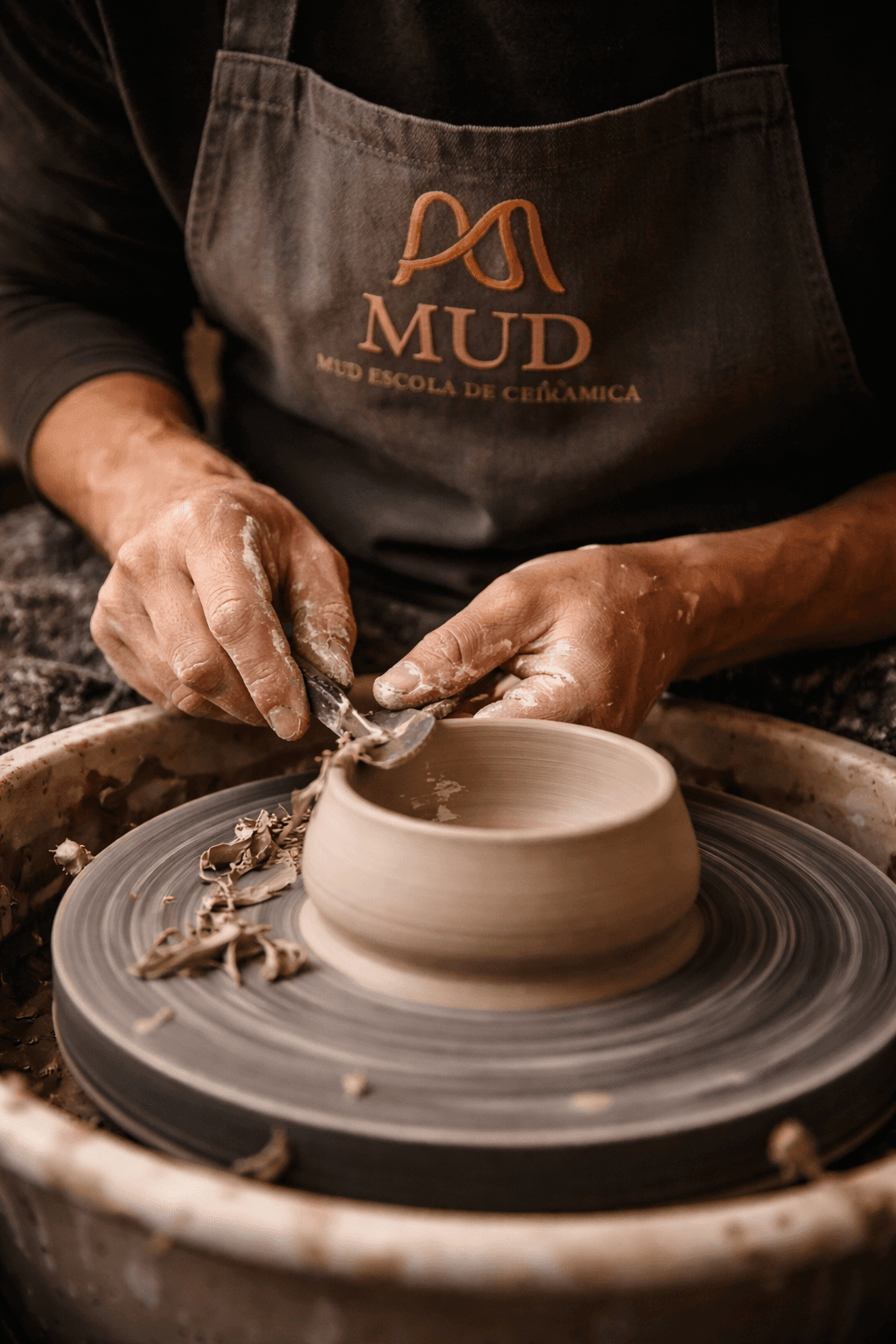
At MUD, ceramics is not treated as a decorative pastime. The approach begins with technique and material investigation so that each student can build autonomy and repertoire.
That matters because learning gains depth. Instead of simply repeating finished models, students start to understand why material behaves the way it does, what changes during drying, and how a project can mature over time.
A studio that speaks to different audiences
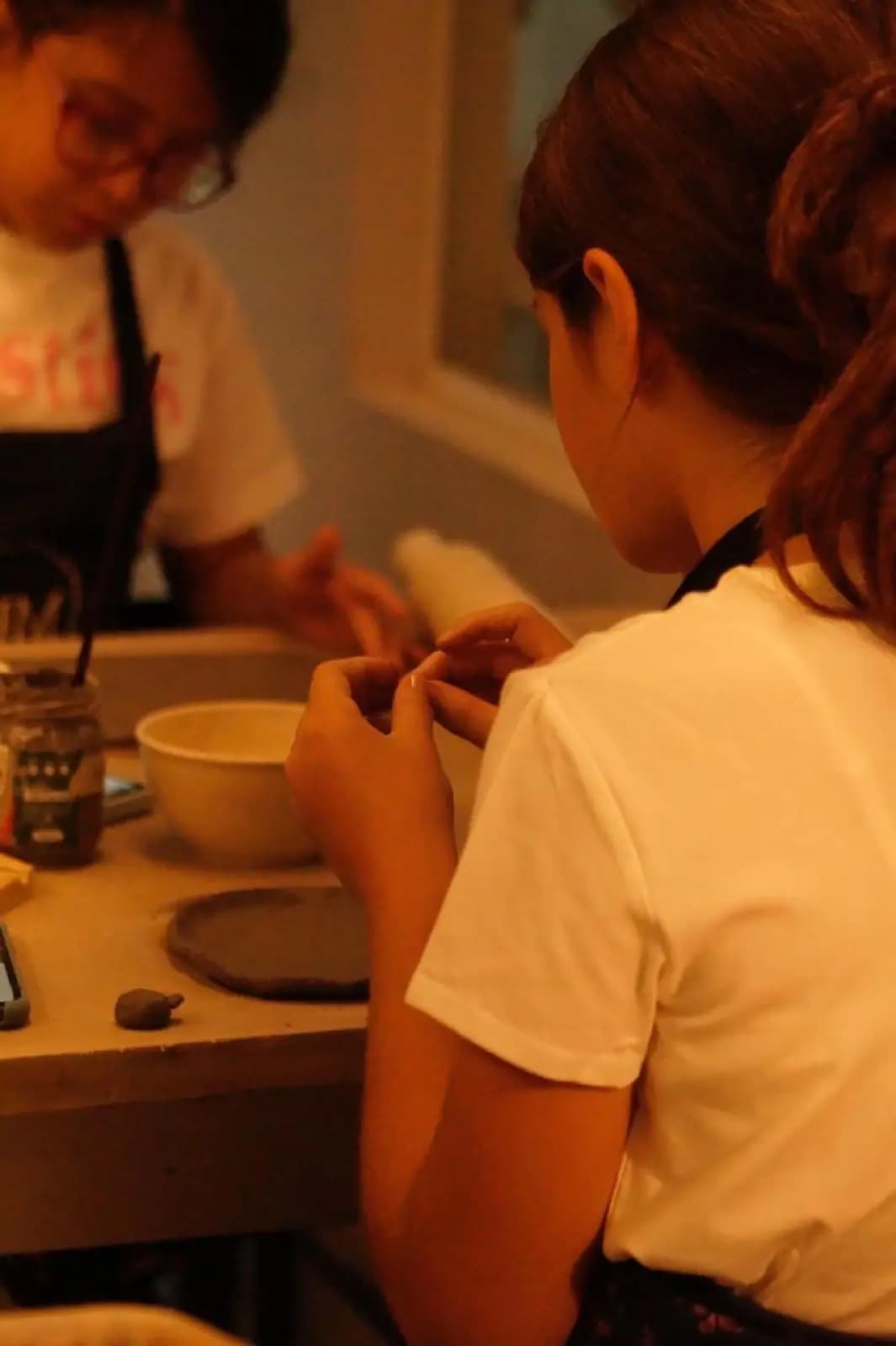
Leblon is also a place of crossings. There are locals looking for an ongoing creative practice, families searching for kids classes, expats wanting a welcoming local experience, and visitors interested in something more meaningful than a generic tourist activity.
A strong ceramics school can receive all of those audiences without losing consistency. That means offering clarity, trust, simple contact paths, and honest communication about rhythm, availability, and process.
Ceramics as continuity
Maybe the deepest value of ceramics in Rio lies in the fact that it offers continuity. In a city full of stimuli, the studio becomes a place where the hand can repeat, research, and develop its own language.
If you are looking for pottery or ceramics classes in Leblon or Rio de Janeiro, it is worth looking for more than a pretty workshop. It is worth finding a place where technique, atmosphere, and humanity move together.